
For the past twenty years, copper Ethernet (Cat5e and Cat6) has been the undisputed backbone of local area networks. However, as internet service providers begin rolling out 10-Gigabit symmetric connections, the physical limitations of copper are becoming glaringly obvious. The future of networking is entirely optical.
Welcome to the era of Fiber-to-the-Room (FTTR). Unlike traditional Fiber-to-the-Home (FTTH) which stops at your front door, FTTR extends the optical fiber deep into every single room of a building, replacing copper entirely.

The Bottleneck of Traditional Mesh Networks
Traditional Wi-Fi mesh systems are fantastic for coverage, but they rely on either wireless backhaul (which consumes precious Wi-Fi bandwidth) or copper Ethernet backhaul (which suffers from signal degradation over long distances and interference from electrical wiring).
FTTR completely eliminates this bottleneck. By using pure light to transmit data between the primary router and the satellite nodes, EFOCE’s upcoming optical network architecture achieves absolutely zero signal loss, zero latency degradation, and total immunity to electromagnetic interference, regardless of the distance.
Invisible Deployment, Uncompromising Speed
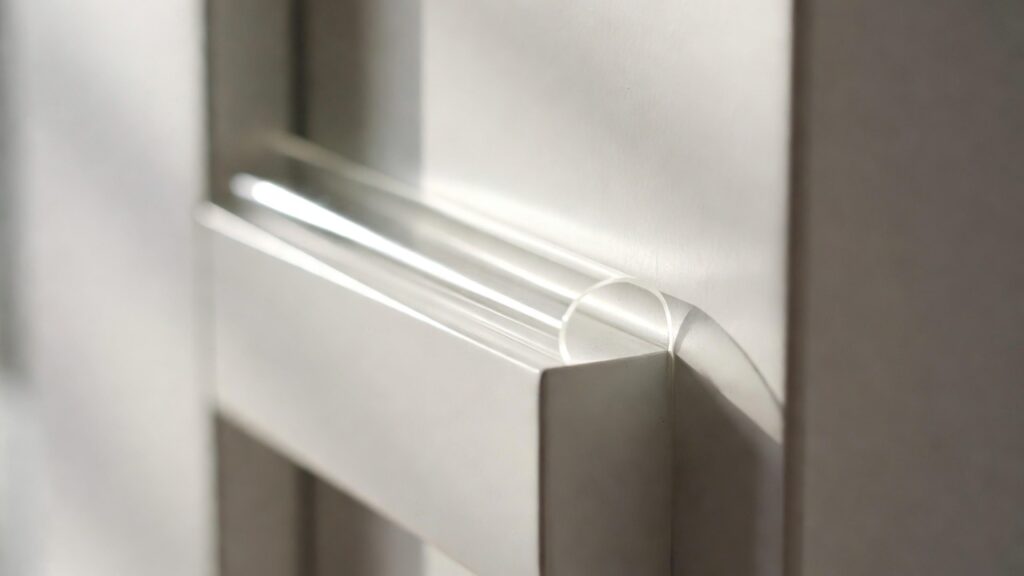
One of the greatest barriers to upgrading enterprise or luxury home networks is the disruption of pulling new, thick Cat6a cables through walls. FTTR introduces micro-optical fibers that are incredibly thin, flexible, and virtually transparent.
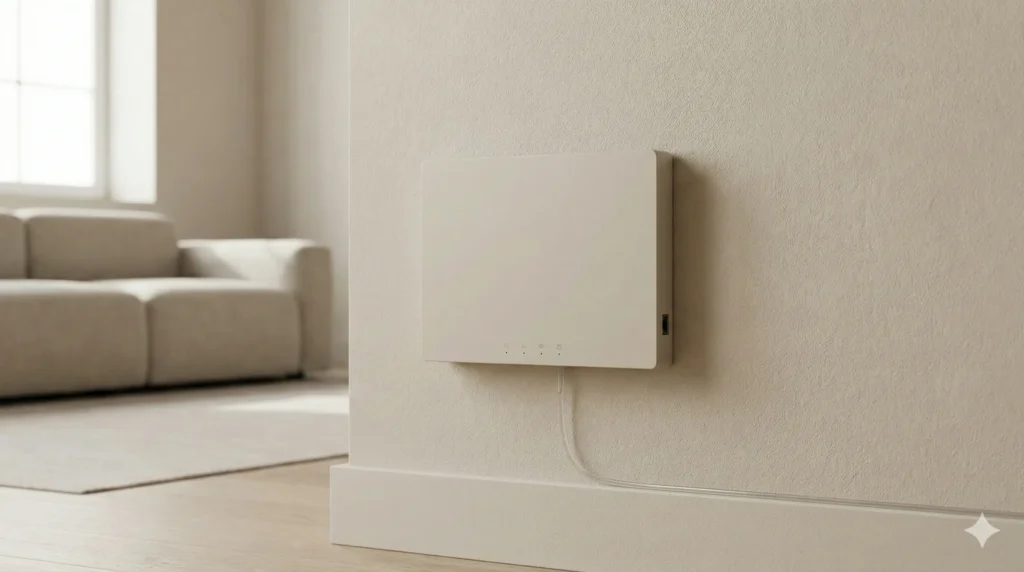
These fibers can be deployed along baseboards or through existing conduits without damaging the architecture. Once connected to an EFOCE optical node in the room, it converts the light back into ultra-fast Wi-Fi and multi-gigabit Ethernet ports for your devices.
FTTR isn’t just an upgrade; it’s the ultimate end-game for indoor cabling. Once fiber is in the wall, its capacity is practically limitless, ready to support 50G or even 100G networks decades into the future.